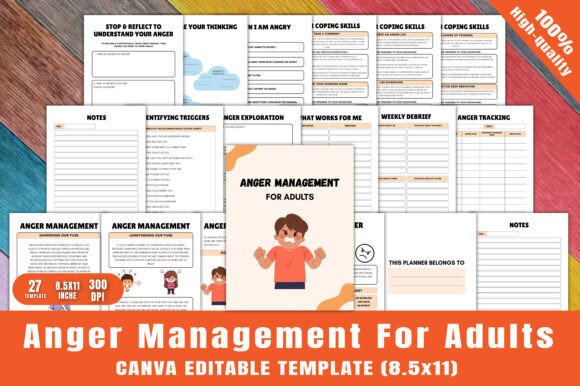
Anger Management for Adults: A Practical Guide to Emotional Control
Anger is a natural human emotion, but when it becomes overwhelming or difficult to manage, it can impact relationships, work performance, and overall well-being. For adults, learning anger management for adults is not just about controlling emotions—it's about building healthier habits, improving communication, and fostering emotional resilience. Whether you're dealing with frequent outbursts, stress-induced frustration, or difficulty managing conflict, understanding anger management for adults can be the key to reclaiming control over your life.
Understanding Anger and Its Impact on Adults
Anger is a powerful emotion that can arise from a variety of situations—feeling wronged, overwhelmed, or frustrated. While it’s normal to feel anger occasionally, chronic or uncontrolled anger can lead to significant challenges in daily life. For adults, this might manifest as difficulty maintaining relationships, increased stress levels, or even physical health issues such as high blood pressure or insomnia.
One of the core aspects of anger management for adults is recognizing the triggers that lead to anger. These triggers can vary from person to person. Some may react strongly to criticism, while others may become easily frustrated in high-pressure environments. Identifying these patterns is the first step toward effective anger management for adults.
The Goals of Anger Management for Adults
The primary goal of anger management for adults is to help individuals develop healthier ways to express and cope with anger. This includes:
- Improving self-awareness: Understanding how and why you feel angry is essential to managing it effectively.
- Enhancing communication skills: Learning to express feelings in a constructive manner can prevent conflicts and improve relationships.
- Reducing impulsive reactions: Practicing patience and reflection can help prevent reactive behavior.
- Building emotional resilience: Developing coping strategies allows individuals to handle stress and setbacks more effectively.
By focusing on these goals, anger management for adults empowers individuals to take charge of their emotional responses rather than being controlled by them.
Practical Strategies for Anger Management for Adults
There are numerous practical approaches to anger management for adults, many of which can be implemented in everyday life. Here are some effective strategies:
1. Recognize and Label Your Emotions
Before reacting to anger, take a moment to acknowledge what you’re feeling. Saying something like, “I’m feeling angry right now,” helps create space between the emotion and the response. This simple act can prevent escalation and allow for more thoughtful action.
2. Practice Deep Breathing and Relaxation Techniques
When anger arises, deep breathing exercises can help calm the nervous system. Inhale slowly through your nose for four counts, hold for a few seconds, and exhale through your mouth for six counts. Repeating this process can reduce tension and bring clarity.
3. Use the Anger Thermometer Technique
Visualizing an anger thermometer can help you gauge your level of frustration. If the "temperature" is rising, it’s a signal to pause and take a break. This technique is especially useful in stressful situations where quick decisions are needed.
4. Reframe Your Thinking
How you interpret a situation can significantly influence your emotional response. Instead of thinking, “This is unfair,” try reframing it as, “I’m upset because I feel misunderstood.” Changing your perspective can shift your emotional state and open up new possibilities for resolution.
5. Keep a Weekly Anger Tracking Log
Keeping a log of your anger episodes can help you identify patterns and triggers. Note the situation, your emotional reaction, and what you did to manage it. Over time, this practice can reveal insights into your behavior and help you make better choices.
How Anger Management for Adults Can Transform Your Life
Implementing anger management for adults can lead to profound changes in both personal and professional settings. Improved emotional regulation can enhance communication, reduce conflicts, and increase overall satisfaction with life. Additionally, it can contribute to better mental health, stronger relationships, and greater productivity at work.
For example, someone who previously reacted impulsively to criticism may learn to respond calmly and constructively, leading to more positive interactions and fewer misunderstandings. Similarly, a person who often felt overwhelmed by stress can develop strategies to manage their emotions, resulting in improved focus and well-being.
Tips for Success in Anger Management for Adults
Successfully practicing anger management for adults requires consistency, patience, and self-compassion. Here are some tips to support your journey:
- Be patient with yourself: Change doesn’t happen overnight. Celebrate small victories and stay committed to your progress.
- Seek support: Consider joining a support group or working with a therapist who specializes in anger management.
- Stay consistent: Regularly practice techniques like deep breathing, journaling, or mindfulness to reinforce positive habits.
- Focus on solutions: Rather than dwelling on the problem, concentrate on actionable steps that can help you move forward.
Remember, every individual’s experience with anger management for adults is unique. What works for one person may not work for another, so it’s important to experiment with different strategies and find what resonates best with you.
Conclusion
Learning anger management for adults is a valuable investment in your emotional health and overall quality of life. By developing awareness, practicing self-regulation, and adopting healthy coping mechanisms, you can transform your relationship with anger and create a more balanced, fulfilling life. Whether you're looking to improve your personal relationships, manage workplace stress, or simply feel more in control, anger management for adults offers practical tools and insights to help you succeed.