Master Your Goals with AI Goal Execution Optimization Prompt
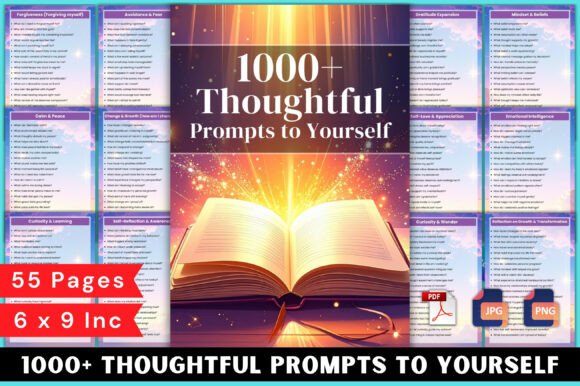
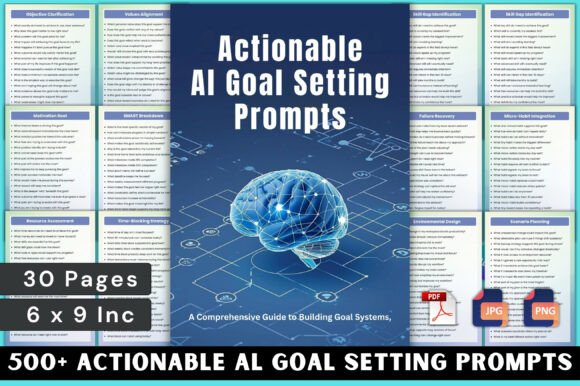
Whether you're a busy professional, a creative entrepreneur, or a student aiming for academic success, achieving your goals can feel overwhelming. That’s where AI Goal Execution Optimization Prompt comes in. This powerful tool is designed to help you break down complex objectives into manageable steps, identify key leverage points, and maintain consistent progress through focused self-inquiry. With over 500 action-oriented prompts, it's more than just a guide—it's a transformative resource that empowers you to take control of your goals and execute them effectively.
What Makes AI Goal Execution Optimization Prompt Unique?
The AI Goal Execution Optimization Prompt stands out due to its structured yet flexible approach. It’s built around the idea that goal execution isn’t just about setting targets—it’s about understanding what truly drives you, how to stay motivated, and how to overcome common obstacles like procrastination and burnout. Each prompt is carefully crafted to target specific areas of goal execution, from planning strategy to mindset shifts and long-term system creation.
One of the most appealing aspects of this guide is its journal-style format. You can use it as a personal journal, a coaching tool, or even as part of an AI-assisted planning process. The clean layouts, such as the Notes pages on pages 31–32, make tracking progress, reflections, and next actions simple and intuitive. This makes it ideal for anyone looking to enhance clarity, focus, and momentum toward their goals.
Practical Applications Across Different Environments
The AI Goal Execution Optimization Prompt is versatile enough to be used in various settings, making it a valuable asset for professionals, creators, educators, and entrepreneurs alike. Here are some practical applications:
- Professionals: Use the SMART Goal Breakdown and OKR Formulation prompts to align daily tasks with long-term career goals.
- Creatives: Leverage the Micro-Habit Integration and Energy Focus Optimization sections to build sustainable creative routines.
- Entrepreneurs: Apply the Procrastination Risk Analysis and Skill Gap Identification prompts to refine business strategies and improve productivity.
- Students: Utilize the Values Alignment Vision Mapping and Resource Assessment prompts to set clear academic objectives and manage time effectively.
- Marketers: Implement the Milestone Planning and Branding Optimization prompts to track campaign progress and enhance engagement.
- Freelancers: Use the Time-Blocking and Accountability prompts to maintain consistency and avoid burnout while managing multiple projects.
Each section of the guide includes actionable steps that help users not only plan but also execute their goals with precision and purpose. Whether you're launching a new business, writing a book, or preparing for a major project, the AI Goal Execution Optimization Prompt offers a roadmap to success.
Why Choose This Guide Over Others?
Many goal-setting tools can be overwhelming or too generic. The AI Goal Execution Optimization Prompt avoids this by focusing on real-world applications and delivering value through structured, actionable prompts. Its emphasis on self-inquiry and mindset shifts ensures that users not only set goals but also understand the psychological barriers that may hinder their progress.
Additionally, the guide is easy to navigate and print, making it accessible for both digital and physical use. The Notes pages allow for personalization, enabling users to reflect on their progress and adjust their strategies as needed. This adaptability is a key strength, allowing the guide to evolve with the user rather than being a one-size-fits-all solution.
Real-World Examples and Use Cases
Let’s look at a few examples to illustrate how the AI Goal Execution Optimization Prompt can be applied in practice:
- Example 1: A Freelancer’s Journey
A freelance graphic designer uses the Micro-Habit Integration prompts to build a daily routine of 15 minutes of sketching. Over time, this small habit leads to a steady stream of design work and increased client satisfaction. - Example 2: An Entrepreneur’s Growth Strategy
An e-commerce founder applies the Procrastination Risk Analysis prompts to identify why certain tasks are delayed. By addressing these issues, they streamline their workflow and accelerate product launches. - Example 3: A Student’s Academic Plan
A university student uses the SMART Goal Breakdown prompts to create a study schedule that balances coursework with extracurricular activities, leading to improved grades and reduced stress.
These examples highlight how the AI Goal Execution Optimization Prompt can be tailored to fit different lifestyles and ambitions, ensuring that every user finds value in the guide.
Key Considerations When Using the Guide
To get the most out of the AI Goal Execution Optimization Prompt, consider the following:
- Consistency: Regularly engaging with the prompts helps reinforce habits and keeps you on track.
- Personalization: Adapt the prompts to suit your unique goals and circumstances.
- Integration: Combine the guide with other productivity tools or apps for a more comprehensive approach.
- Reflection: Use the Notes pages to reflect on your progress and adjust your strategies as needed.
- Accountability: Share your goals with a friend or mentor to stay motivated and accountable.
By incorporating these practices, you’ll maximize the effectiveness of the AI Goal Execution Optimization Prompt and ensure that your goals are not just set, but achieved.