Understanding Trauma the Nervous System Workbook
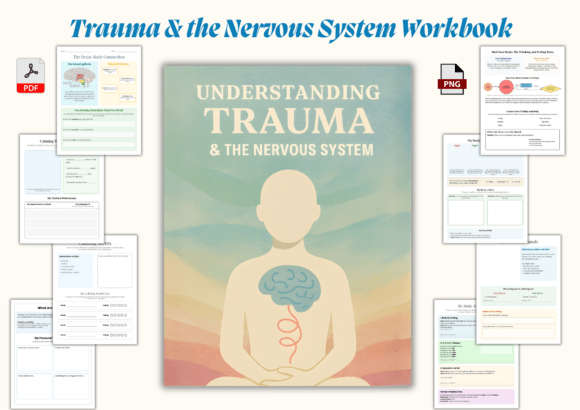
The Trauma the Nervous System Workbook is a carefully crafted resource designed to help individuals, professionals, and caregivers explore trauma in a safe and empowering way. With its soft, calming visuals and trauma-informed language, this workbook offers a gentle, science-based approach to understanding how the brain and body respond to stress, fear, and emotional overwhelm. Whether you're healing from past trauma or simply looking to deepen your awareness of your nervous system, this guide provides practical tools to support self-regulation, emotional tracking, and mindful reflection.
Why This Workbook Matters for Healing
For those navigating the complexities of trauma, understanding how the nervous system reacts can be a game-changer. The Trauma the Nervous System Workbook breaks down concepts like fight, flight, freeze, and fawn into accessible language, making it easier to recognize and manage these responses in daily life. By learning how the brain and body work together during moments of stress, readers gain insight into their own patterns and behaviors, which can lead to greater self-awareness and resilience.
This workbook isn't just about theory—it's about action. Each page is filled with exercises that encourage grounding, safety practices, and emotional tracking. These activities are designed to be used in everyday settings, whether at home, in therapy sessions, or during moments of high anxiety. For example, body-based grounding techniques can help someone feel more present during a panic attack, while nervous system mapping allows individuals to visualize how different experiences affect their physical and emotional state.
Who Can Benefit Most?
The Trauma the Nervous System Workbook is particularly beneficial for a wide range of users, including:
- Individuals healing from trauma: Those who have experienced past trauma often struggle with emotional regulation and reactivity. This workbook provides a structured way to process and understand these experiences without judgment.
- Therapists and counselors: Professionals working with trauma survivors can use this resource as a tool to support clients in a more holistic, client-centered way. It complements traditional therapeutic approaches by offering practical exercises that can be done outside of sessions.
- Parents supporting teens: Adolescents are especially vulnerable to trauma due to the developmental changes they undergo. This workbook helps parents better understand their child’s emotional responses and supports them in creating a safe, supportive environment.
- Wellbeing educators and coaches: For those in the wellness field, this workbook serves as an excellent educational tool. It can be integrated into workshops, group sessions, or one-on-one coaching to promote emotional intelligence and self-care.
Its accessibility also makes it a valuable resource for anyone interested in learning more about their own nervous system. Whether you're dealing with chronic stress, anxiety, or simply want to improve your emotional well-being, this workbook offers a compassionate and evidence-based path forward.
Practical Benefits and Real-World Applications
One of the standout features of the Trauma the Nervous System Workbook is its emphasis on practical application. Unlike many self-help books that focus solely on theory, this resource equips users with actionable strategies they can implement immediately. For instance, the inclusion of nervous system mapping allows individuals to track how specific events or emotions impact their physical sensations. This can be especially helpful for people who experience chronic stress or emotional dysregulation.
Additionally, the Trauma the Nervous System Workbook includes trauma-informed reflection prompts, which encourage deeper exploration of personal experiences. These prompts are designed to foster empathy, self-compassion, and a non-judgmental attitude toward one's own history. For therapists, these prompts can serve as a foundation for guided discussions that promote healing and growth.
Another key benefit is the inclusion of self-regulation tools. These tools are essential for managing moments of emotional overwhelm, especially for those who may not have access to professional support. Techniques such as deep breathing, body scans, and sensory grounding exercises can be used anytime, anywhere, making them ideal for integrating into daily routines.
Supporting Creativity and Communication
For professionals in creative fields, the Trauma the Nervous System Workbook can be a powerful ally. Understanding how the nervous system responds to stress can help artists, writers, and designers navigate creative blocks and emotional fatigue. By recognizing when their body is in survival mode, creators can take steps to reset and return to a more balanced state, allowing for greater clarity and inspiration.
Similarly, for educators and communicators, this workbook offers insights into how trauma affects attention, memory, and emotional expression. Recognizing these patterns can lead to more effective communication strategies, fostering stronger connections with students, colleagues, and clients. For example, knowing how to create a safe and predictable environment can significantly reduce anxiety and enhance learning outcomes.
Considerations and Limitations
While the Trauma the Nervous System Workbook is a valuable resource, it's important to note that it is not a substitute for professional mental health care. Individuals experiencing severe or complex trauma should seek guidance from licensed therapists or counselors. That said, this workbook can serve as a complementary tool, offering support and education in a non-clinical setting.
Additionally, the effectiveness of the workbook may vary depending on individual needs and circumstances. Some users may find certain exercises more relevant than others, so it's recommended to approach the material with an open mind and adapt the content as needed. For those working with clients, it's also wise to consider how the workbook aligns with existing therapeutic frameworks and goals.
Conclusion
The Trauma the Nervous System Workbook is more than just a guide—it's a companion on the journey toward healing, understanding, and self-regulation. Whether you're a professional seeking to expand your toolkit or an individual exploring your own emotional landscape, this resource offers a thoughtful, accessible, and science-based approach to navigating trauma. With its calming design, practical exercises, and focus on empowerment, it provides a meaningful way to cultivate compassion, awareness, and resilience—one calm page at a time.